



Should I sell my house first or buy the next one?
Sell first if your down payment depends on the equity in your current home or you cannot qualify for two payments. Buy first if you can carry both homes for a few months, or have cash or a bridge plan, and want to move only once.
The decision comes down to three numbers, so get them before you choose:
- What your home will likely sell for and net after the payoff and selling costs. A pricing review gives you a range.
- What a lender will approve you for, with and without your current mortgage counted.
- How long you could carry both homes if the sale took longer than planned.
Avoiding two mortgages usually means one of three things: selling first with a leaseback, buying with a contingency on your sale, or closing both on the same day.
Four ways to order the move, and the Texas forms behind them
Every sell-and-buy move in Dallas ends up as one of these four. Each fits a different mix of equity, income and how rare the next house is.
- Sell first, lease back. You know your proceeds before you buy and you stay in your home for up to 90 days after closing. The risk is having to buy within that window.
- Buy with a sale contingency. You lock in the next house without carrying two mortgages. Sellers may keep marketing their home, so the offer is weaker than a clean one.
- Same-day closings. Your sale funds in the morning and pays for the purchase in the afternoon. It takes two cooperative contracts and one calendar, ideally at one title company.
- Buy first, sell after. The easiest move and the strongest offer on the next house. It needs savings, a home equity line opened before listing, or a bridge loan, plus the income to qualify for both payments.
When you find the house you want before yours is on the market, the fastest fix is to list right away and offer with a contingency, unless your lender approves you to buy first. Temporary housing is only needed when none of these lines the dates up.
Sale contingency
The Texas Real Estate Commission's Addendum for Sale of Other Property by Buyer makes your purchase depend on receiving the proceeds from your own sale by a set date. If your home does not close by then, the contract ends and your earnest money comes back. Sellers often keep marketing the home, and if they get another offer you have a short window to drop the contingency or step aside.
Seller leaseback
With the Seller's Temporary Residential Lease, you sell, close, and stay in the house as a tenant for up to 90 days while you finish buying or moving. The buyer's lender may allow less time, so agree on it early. If you need more than 90 days, a regular lease is used instead.
Early move-in
The Buyer's Temporary Residential Lease works the other way: a buyer moves in before closing, for no more than 90 days. It is less common and both sides need insurance in place.
Which of these a lender will accept depends on your loan, so ask early. More on loans and down payments is on the costs and financing page.
Downsizing in Dallas
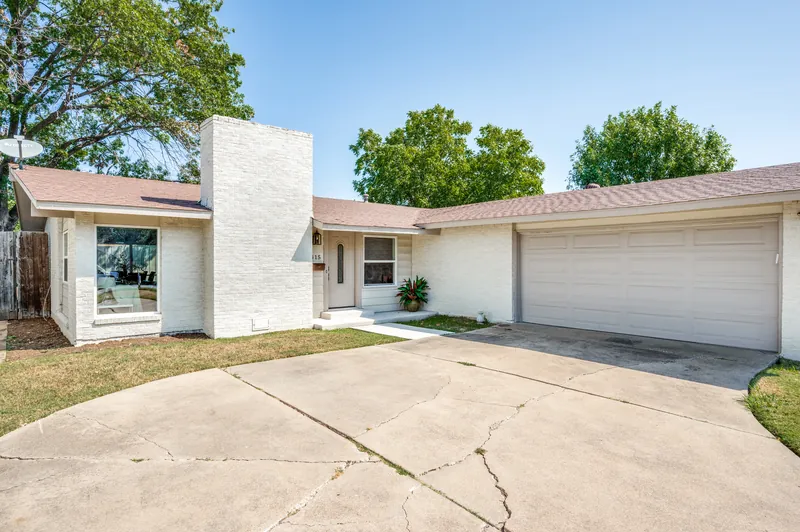
Downsizing works well when you decide what the next home must do before you list the current one: one story or an elevator, how much yard, whether you want to lock the door and travel. Then the sale funds a home that fits instead of one that is just smaller.
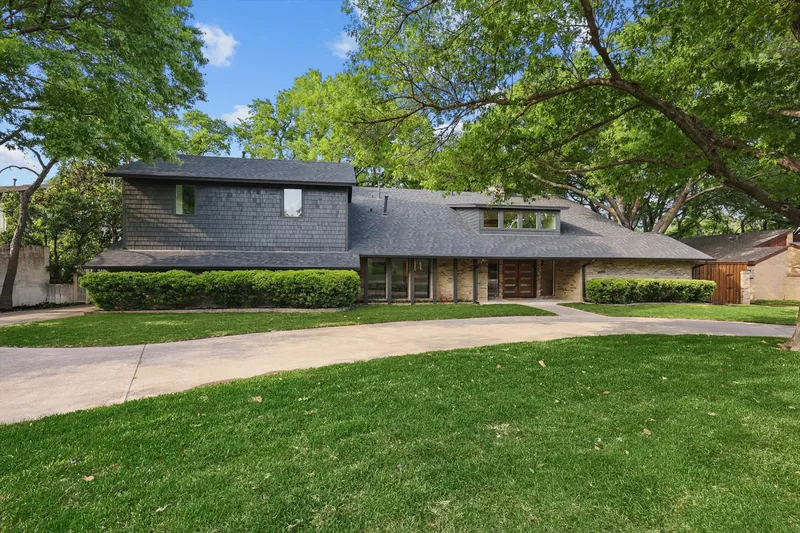
Common moves I see from larger two-story homes: a one-story home in Preston Hollow, North Dallas, Far North Dallas or Lake Highlands, a newer one-story in Plano or Frisco, a patio home or townhome, or a condo in Uptown. Each trades space for less upkeep in a different way.
A one-story house keeps a yard and a garage and leaves every decision to you. A condo removes the yard and the exterior work, adds an elevator and often staff, and replaces some of that freedom with HOA dues and building rules. Before choosing, read the association's resale certificate and budget, and compare what the dues cover with what you spend on upkeep today.
What you save depends on the price gap between the two homes, the property taxes on each, insurance, utilities, upkeep and any HOA dues. I price both sides so you see your own numbers rather than a rule of thumb.
If the house needs work before it sells, I'll help you decide what's worth doing. See preparing your home.
Moving closer to family, or making room for them
A lot of my clients are moving for family. Some want to be ten minutes from the grandkids. Some want a home with a bedroom and bath for a parent on the main floor. Some are selling a house they have owned for years and buying the next one with cash. Each of these moves has its own checklist, and I walk you through it before you list or make an offer.
- Near family: pick the streets first, then watch for homes there, including ones shared inside Dave Perry-Miller before they reach the listing sites.
- Room for family: look for a main-floor suite, a guest house or a casita, and check the permits and zoning before you count on it.
- Buying with cash: you can move fast and skip the loan, but you still inspect, read the survey and check the title.
How Andy and the GPS Group handle a sell-and-buy move
I treat your sale and your purchase as one project with one calendar. Almost all of my business comes from referrals and past clients, and many of them are moving up or moving down from a home I helped them buy years ago.
What decides how smoothly it goes
Three things decide whether a sell-and-buy move feels calm or rushed: how accurately the current home is priced, how early the lender is involved, and how carefully the two contracts are matched.
- Pricing. A home priced right goes under contract sooner, which makes every other date easier. An overpriced listing is a common reason people end up carrying two homes.
- The lender. Tell the lender at the start that your down payment comes from the sale. It will want the final closing statement from that sale before it funds your purchase.
- The contracts. Option periods, financing deadlines, survey and title deadlines and closing dates on both sides have to fit together. One missed deadline on the sale can stall the purchase.
When the same title company closes both the sale and the purchase, moving your proceeds from one to the other on the same day is simpler. Ask for it in both contracts when you can.
Dave Perry-Miller's in-house network helps with timing: many sales here happen between DPM agents, and that is one way a home can sell before or soon after it hits the market. OnePoint connects the agent, mortgage, insurance and title in one process, which makes it easier to line up two closings at one title company.
If you must move before the house sells, we plan for a vacant listing: utilities on, insurance that covers a vacant home, and regular checks. More on the selling side is on the sell your home page.
Estates, trusts and divorce
Inherited homes, homes held in a trust and homes sold during a divorce can all be sold. The question is who has the legal authority to sign, and that is decided by the documents and, sometimes, a court. A Texas probate, trust or family law attorney and the title company decide what is required. I work with them so the house is ready to sell the day the paperwork is.
Ask the title company early what it will need, and get a pricing review so everyone involved works from the same number. This is general information, not legal advice.